Does an Exercise Dress Actually Hold Up for High-Intensity Workouts?
Quick Answer: Exercise dresses genuinely perform well for walking, cycling, low-impact strength, and moderate cardio, but built-in shorts length and hem movement become real limitations for sprinting, box jumps, and floor-based HIIT work — the format has a legitimate use case, just not a universal one.
The exercise dress category has grown fast, but most marketing photos show static poses rather than the movements that actually stress-test whether the format holds up during real high-intensity training.
What actually happens to an exercise dress during high-impact movement?
The core issue is hem behavior under vertical force — jumping, sprinting, and rapid direction changes create upward and outward hem movement that built-in shorts underneath are designed to cover, but the coverage margin varies significantly by brand and cut. Higher-quality exercise dresses use a longer, closer-fitted built-in short specifically to manage this, while budget versions often use a shorter liner that wasn’t tested against real jump mechanics.
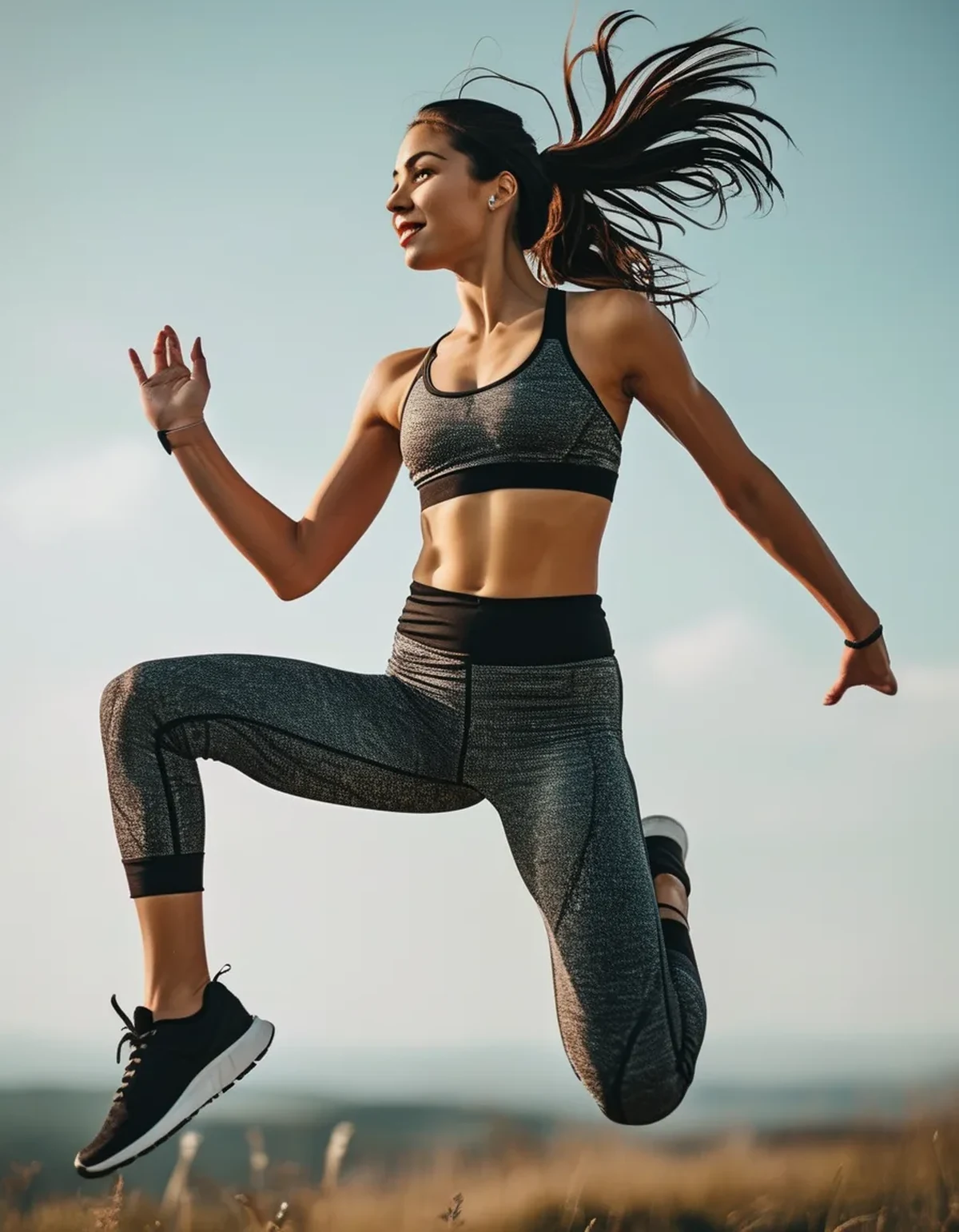
Across reviewer and athlete testing, sprinting and box jumps consistently show the most hem movement, while walking, cycling, and standing strength work show minimal issues even with shorter built-in liners.
Does the fabric weight matter as much as the cut?
Yes, independently of hemline — a heavier, more structured fabric moves as one unit during motion, while lighter, flowier fabric (often chosen for a more “dress-like” drape) tends to billow and shift more unpredictably during fast, repeated movement. This is a real tradeoff: the drape that makes an exercise dress look good standing still is often the same property that performs worse under high-intensity motion.
How does floor-based training specifically change the calculation?
Floor work — burpees, mountain climbers, planks with movement — repeatedly shifts the dress fabric relative to your body in ways that standing or even running movements don’t, since you’re moving through multiple planes close to the ground. Several reviewers report the built-in short riding up or bunching specifically during floor transitions, which is a distinct failure mode from the hem-lift issue during jumping.

Myth vs Fact: Exercise Dresses and Intensity
Myth: Any exercise dress marketed as “athletic” performs the same as leggings for all activities. Fact: Performance varies significantly by activity type — low-impact activities show near-identical function to leggings, while high-impact activities expose real format limitations that vary by brand.
Myth: A longer dress length automatically means better high-intensity performance. Fact: Built-in short length and fit matter more than overall dress length — a longer dress with a poorly fitted short liner can still ride up during jumps.
Myth: Exercise dresses are purely a fashion choice with no functional benefit. Fact: Many users report genuine functional preference for dresses during activities like walking, cycling, and yoga, citing better airflow and less waistband digging than fitted leggings.
Which specific activities are exercise dresses best suited for?
Walking, cycling, yoga, barre, and low-to-moderate intensity strength training consistently show strong performance across brands and price points, since these activities don’t generate the rapid vertical or multi-planar movement that stresses the hem and liner. Running intervals, HIIT circuits with jumps, and floor-heavy training are where the format shows the most inconsistent results, and where leggings remain the more reliably tested choice.
What should you actually look for if you want one dress that handles both?
A shorter overall dress length (closer to mid-thigh rather than knee-length) paired with a longer, more fitted built-in short liner tends to perform best across the widest range of activities, since the shorter dress length reduces total fabric movement while the longer liner provides more real coverage margin during jumps. Checking specifically for reviews mentioning “HIIT,” “running,” or “jumping” rather than general star ratings gives a much clearer picture than the overall rating alone.
FAQ: Exercise Dresses for Intense Workouts, Answered
Is it ever worth just avoiding exercise dresses for high-intensity training entirely?
For dedicated HIIT or running-focused training, many people find leggings simply more reliable and stop trying to make the dress format work for those specific sessions, reserving dresses for lower-impact days.
Do brands make dresses specifically designed for higher intensity?
Yes — a growing number of “performance” or “training” exercise dress lines use longer, more fitted liners and heavier fabric specifically to address these issues, though they’re not universal across the category.
Does body type change how much the hem-lift issue actually matters?
Somewhat — fit and movement vary by body shape and size, which is part of why checking size-specific reviews, not just general ones, gives a more accurate picture for your own body.
TL;DR:
- Exercise dresses perform reliably for walking, cycling, yoga, and moderate strength work
- Sprinting, jumping, and floor-based HIIT expose real hem and liner limitations
- Built-in short fit and length matter more than overall dress length for high-impact performance
- A shorter dress with a longer, fitted liner performs best across the widest activity range
The format isn’t universally better or worse than leggings — it’s a genuine tradeoff that depends heavily on which specific workout you’re doing.
See It in Motion
Seen here: High Waist Yoga Leggings with Inner Pocket — shop it on bubblelime.com
Keep Reading
This article is for general informational and styling purposes only. Fit, sizing, and product availability may vary.