The Exercise Dress Activity Test: What It Actually Handles
The exercise dress claims athletic citizenship — but which sports does it actually serve, and where does the skirt become a liability? The activity test: the genuine pass list, the honest fails and the borderline fixes that extend the dress’s range.
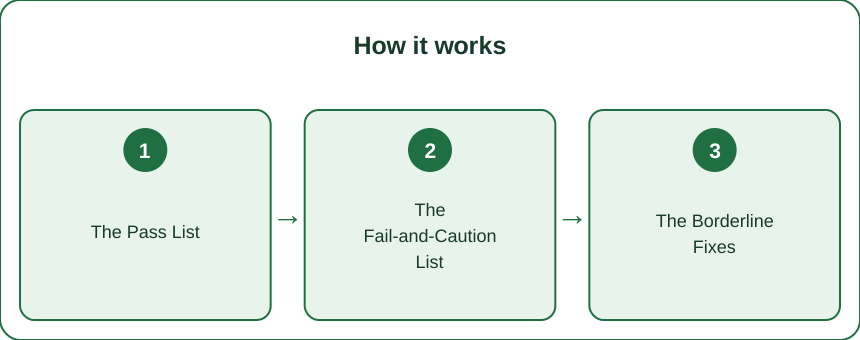
The Pass List
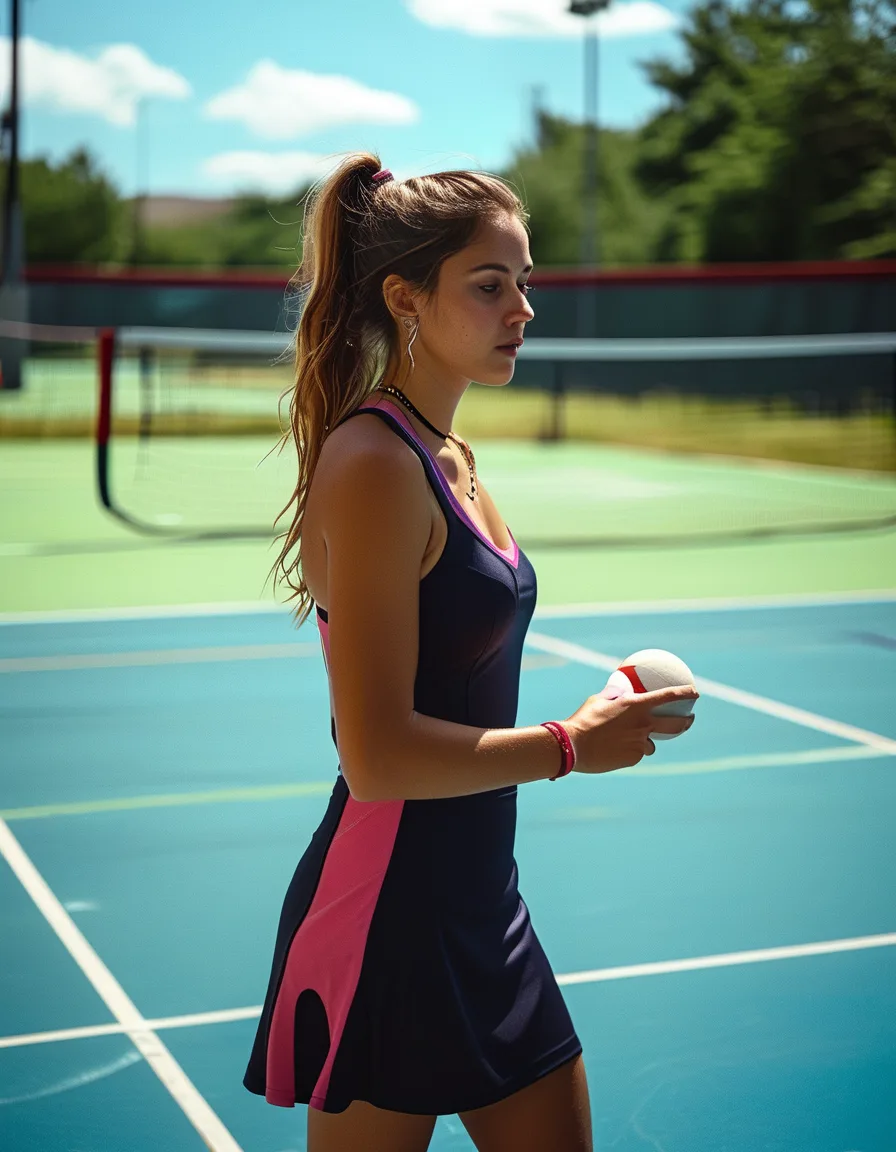
Where the dress performs: the racquet-and-court family (tennis, pickleball, badminton — the dress’s native sports; the built-in short handles lunges, the skirt handles nothing it shouldn’t, and the ball-pocket versions are genuinely functional), the walk-and-hike tier (the daily walk, the light trail — the freedom-and-airflow advantage over leggings in heat; the skort-hiking logic applies), golf (the course-legal versions with the right length — the golfcore crossover), the low-impact studio day (the stretch-and-strength class where coverage stays put — barre and pilates tolerate it fine), and the everything-else-of-life category (travel days, theme parks, chasing toddlers — the dress’s actual most-common workout).
The Fail-and-Caution List
Where it struggles: inversion-heavy yoga (the skirt obeys gravity in downward dog — the dress in a flow class spends half the practice on your face; leggings keep this slot), high-intensity floor work (burpees and mountain climbers relocate the skirt constantly — the mid-WOD adjustment tax), serious running (the mid-length skirt at pace adds flap and ride; the running-skort tier — shorter, sport-cut — exists because the everyday exercise dress doesn’t love tempo runs), and the equipment-heavy strength day (barbell contact points and skirt fabric negotiate awkwardly — the squat rack prefers leggings’ predictability).
The Borderline Fixes
Extending the range: the compression-short upgrade (swapping flimsy built-ins for a real biker short underneath — the fix that promotes the dress into HIIT-adjacent legality; the freedom-layer doctrine), the clip-and-knot improvisations (the side-knot that shortens a flappy skirt for a run — inelegant, effective, reversible), the sport-specific purchase path (the running-dress and the tennis-dress are real subcategories — the activity you do weekly deserves the engineered version, not the borderline fix), and the two-tier honesty (the dress covers the light-and-social 70% of active life brilliantly — the specific 30% keeps its specific gear; the dress was never meant to retire the leggings, just to outnumber their outings).
The Buyer’s Activity Matrix
Purchasing by use case: the court player’s spec (structured fabric, secure shorts, ball pocket — the sport tier), the walker-traveler’s spec (flowy, pocketed, wrinkle-resistant — the lifestyle tier), the class-goer’s spec (fitted silhouette, squat-tested opacity — the studio tier), and the test protocol at home (the lunge, the twirl, the bend-over mirror check and the one-song dance — five minutes that predicts every activity’s experience; the return window is the testing lab). The dress passes more than skeptics claim and less than marketing promises — the matrix buys the version your actual week needs.
Courts and walks pass, inversions fail, biker shorts promote the borderline, buy by your real week. The exercise dress is a 70%-of-life athlete — test it honestly and assign it accordingly.
See It in Motion
Seen here: High Waist 8” Yoga Shorts — shop similar styles on bubblelime.com
Keep Reading
This article is for general informational and styling purposes only. Fit, sizing, and product availability may vary.