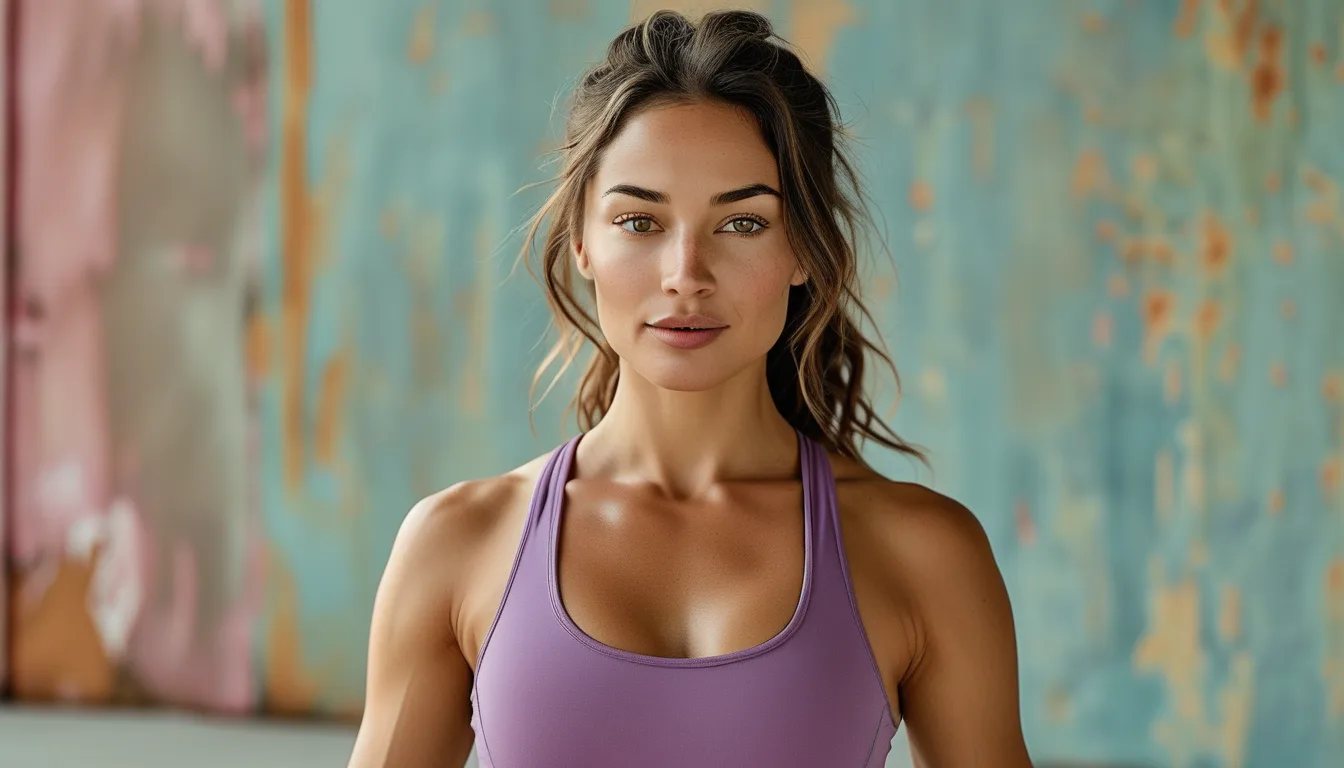
A Complete Framework for Deciding Which Exercise Dress Is Actually Worth Buying
Quick Answer: Choosing the right exercise dress comes down to matching three factors to your actual primary use — built-in short length and coverage for your main activity’s range of motion, fabric weight for your climate and intensity level, and hem length and fullness for whether the activity involves a lot of overhead or lateral movement — rather than picking based on look alone and hoping it performs.
Exercise dresses look great in every product photo. Whether one actually works for what you’re doing is a completely separate question this framework is built to answer.
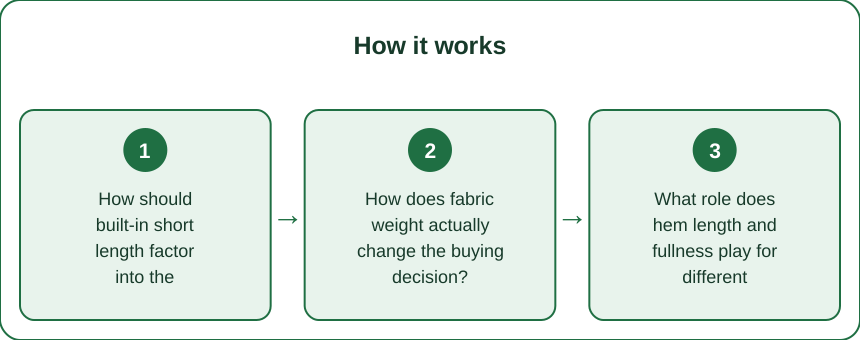
How should built-in short length factor into the decision?
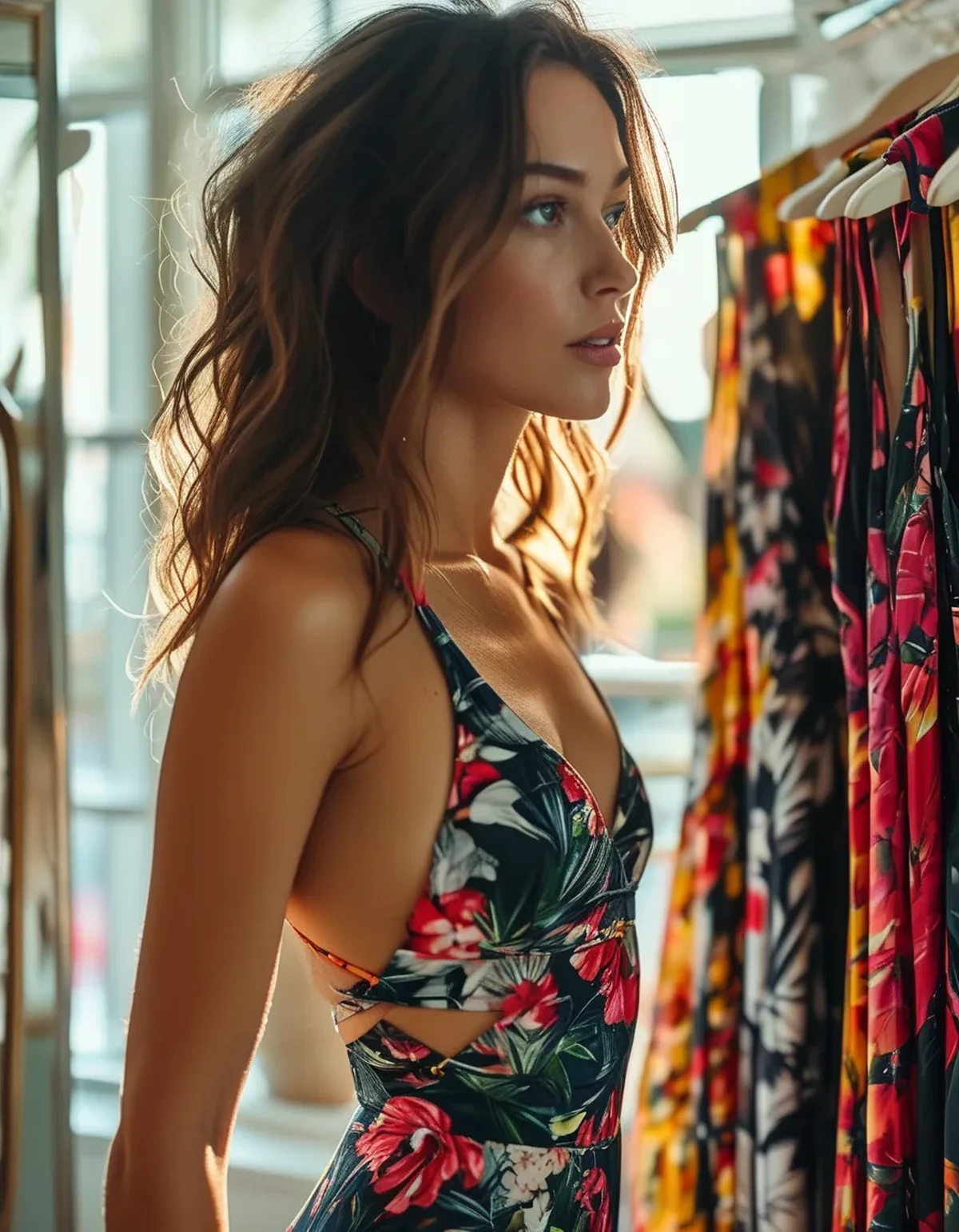
A shorter built-in short (typically 2-3 inches inseam) offers more range of motion for activities involving big leg movements — tennis, running, HIIT — while a longer built-in short (4-6 inches) offers more coverage and thigh comfort for lower-intensity activities like walking or casual wear, where range of motion matters less than coverage confidence. Matching this to your primary planned activity, rather than defaulting to whichever looked best in photos, prevents the common complaint of a dress that looks great standing still but rides up or restricts movement during actual activity.
It’s also worth considering whether the built-in short has its own separate waistband or is seamlessly integrated into the dress — a separate waistband on the short sometimes provides more secure, lower-slip performance during high-movement activities than a fully integrated design, which is a small but meaningful detail rarely mentioned in marketing copy.
How does fabric weight actually change the buying decision?
A lighter, more breathable fabric works better for high-intensity or hot-weather activity where sweat management and airflow matter most, while a heavier, more structured fabric holds its shape better and provides more opacity and coverage confidence, which matters more for lower-intensity or dressier athleisure use. Buying a heavy fabric dress for hot yoga, or a very light fabric dress expecting it to hold shape through a high-intensity HIIT class, is one of the most common mismatches driving buyer’s remorse in this category.
Checking the fabric composition percentage, not just the marketing description, gives a more reliable signal — a higher spandex or elastane percentage generally means more compressive, body-hugging performance suited to higher intensity, while fabric blends leaning more toward standard polyester tend to feel looser and less performance-oriented.
What role does hem length and fullness play for different activities?
Activities involving significant overhead reaching (tennis serves, certain yoga poses) or lateral lunging movements benefit from a slightly fuller, less fitted hem that moves with the body rather than restricting it, while activities with less dramatic range of motion (walking, low-intensity strength training) can work well with a more fitted, streamlined hem that reads more like a typical athleisure dress than a performance garment specifically.
A dress with a slight A-line flare at the hem generally accommodates a wider range of movement patterns than a fully fitted, straight-cut hem, making it a safer default choice for anyone planning to use one dress across multiple different activity types rather than a single specific sport.
Does climate and season change which features actually matter most?
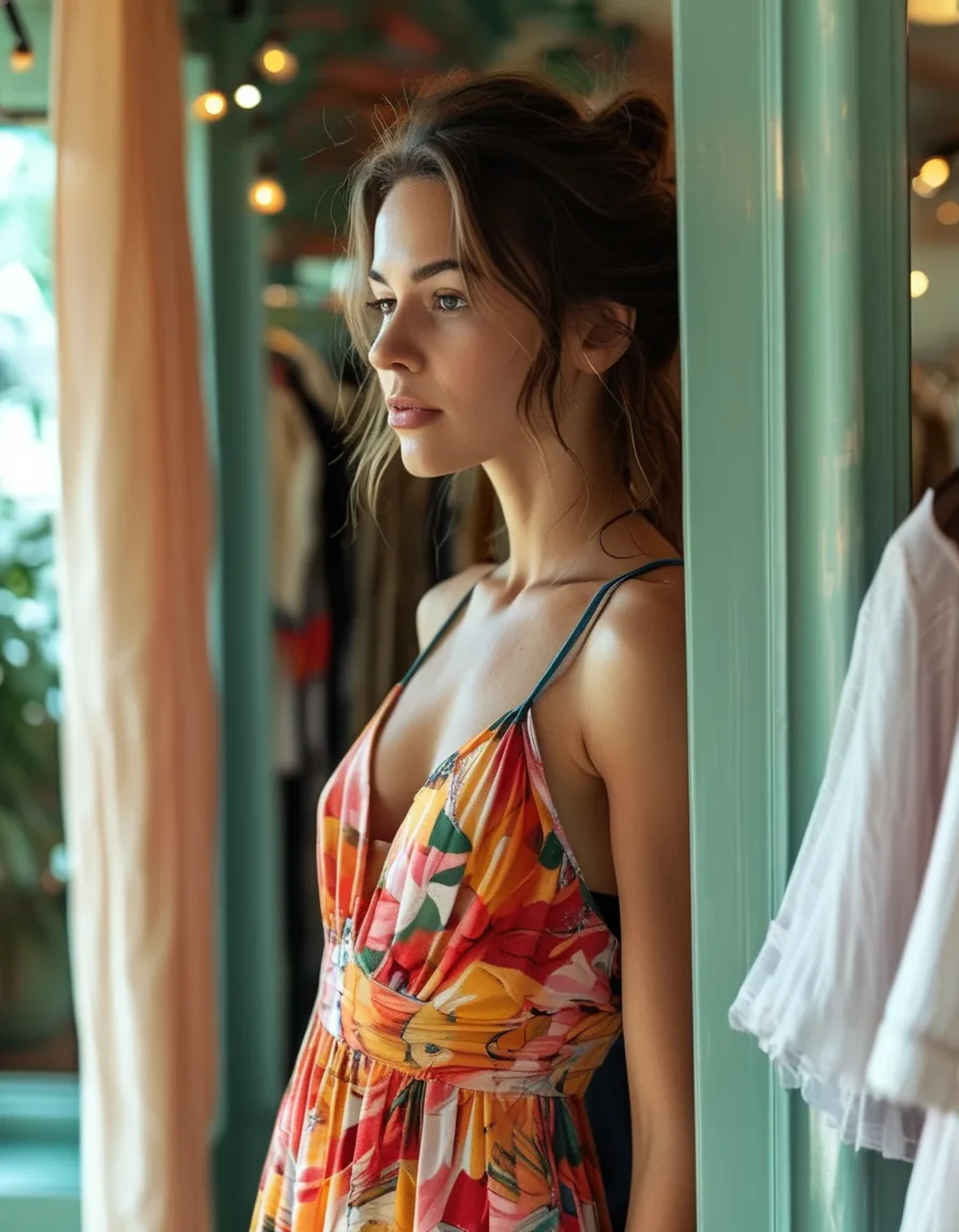
Hot, humid climates generally prioritize fabric breathability and lighter weight above almost every other factor, since discomfort from poor airflow tends to outweigh coverage or structure concerns in genuinely hot conditions. Cooler climates open up more flexibility to prioritize coverage, structure, and slightly heavier fabric weight without the sweat-management tradeoff being as significant a factor in the decision.
How do you weigh price against these performance factors?
Higher-priced exercise dresses generally do deliver on more refined fabric technology (better moisture-wicking, more durable stretch recovery) and more thoughtful construction details (separate short waistbands, strategic seaming), but the actual performance gap between a mid-tier and premium option is often smaller than the price gap suggests for lower-intensity uses — the investment matters most for genuinely high-intensity, frequent use, where fabric quality differences show up fastest and most consequentially.
5 Mistakes People Make Buying an Exercise Dress
- Buying based purely on how it looks in a photo without checking built-in short length against actual planned activities.
- Choosing a heavy, structured fabric for high-intensity, hot-weather use, then being uncomfortable mid-workout.
- Assuming one exercise dress will work equally well for every activity, rather than matching features to primary use.
- Ignoring fabric composition percentages in favor of marketing language alone.
- Overspending on a premium option for occasional, low-intensity use where a mid-tier option would perform just as well.
FAQ: Exercise Dress Buying Questions, Answered
Is it worth owning more than one exercise dress for different activities?
For anyone doing a genuine mix of high-intensity and low-intensity activities regularly, having one lighter-fabric, shorter-short dress for intense activity and one heavier, longer-short dress for lower-intensity or dressier use covers most needs better than trying to find one dress that does everything well.
How can I tell fabric quality before buying online, without trying it on first?
Checking the listed fabric composition percentage, reading reviews specifically mentioning wash durability and stretch recovery after multiple wears, and checking the return policy generosity are the most reliable proxies available without an in-person try-on.
Does an exercise dress actually perform as well as separate shorts and a top for high-intensity activity?
Well-designed exercise dresses with a secure, separate-waistband built-in short can perform comparably to separates for many activities, though extremely high-intensity, big-range-of-motion sports sometimes still favor true separates for maximum flexibility and security.
TL;DR:
- Match built-in short length to your primary activity’s range of motion needs, not just how it photographs
- Fabric weight should follow your climate and intensity level — lighter for hot and high-intensity, heavier for coverage and structure
- A slightly fuller hem accommodates more movement patterns than a fully fitted one if you’re buying for multiple activities
- Premium pricing pays off most for frequent, high-intensity use, less so for occasional or low-intensity wear
Before your next exercise dress purchase, run it through this framework against your actual most-frequent activity, not just how it looks on the model.
Keep Reading
This article is for general informational and styling purposes only. Fit, sizing, and product availability may vary.