The Underneath Layer Choice That Determines Whether an Exercise Dress Actually Works for You
Exercise dress reviews and buying guides focus heavily on the dress itself — fabric, length, coverage — and treat the underneath layer as an afterthought, when it’s actually one of the biggest factors in whether a specific exercise dress ends up genuinely working for a specific activity and body. Here is why the underneath layer matters this much, and how to choose correctly.


Why the Underneath Layer Matters as Much as the Dress Itself
The functional reality: the the-built-in-liner-quality-varies-enormously-across-different-exercise-dresses (the built-in shorts liner ranging from genuinely supportive and well-constructed to minimal and purely decorative depending on the specific dress, meaning the dress’s overall functionality depends heavily on this often-overlooked component, per the exercise-dress-shorts-and-coverage-guide logic — the built-in-liner-quality-varies-hugely-and-directly-determines-real-world-functionality), the the-activity-intensity-and-movement-pattern-determines-how-much-the-underneath-layer-actually-gets-tested (the built-in shorts adequate for a walk or light yoga session potentially proving completely inadequate for a run or high-intensity interval workout, meaning the same dress performs very differently depending on the activity it’s paired with — the the-same-dress-and-liner-combination-performs-very-differently-depending-on-actual-activity-intensity), the the-coverage-and-riding-up-concerns-are-almost-entirely-determined-by-the-underneath-layer-not-the-outer-dress-fabric (the outer dress fabric largely irrelevant to the coverage and riding-up concerns that actually determine whether the garment feels secure during movement, since that function is carried almost entirely by whatever’s underneath, echoing the exercise-dress-coverage-math-guide logic — the coverage-security-is-a-function-of-the-underneath-layer-almost-independent-of-the-outer-dress-fabric-choice), and the reframe (the underneath layer as functionally the more important decision for many activity types, even though it typically gets the least attention in how exercise dresses are marketed and reviewed).

The Specific Tradeoffs Between Built-In Shorts and Separate Layers
What each option offers: the built-in-shorts-tradeoff (the convenience of a single garment and typically better outer-dress silhouette traded against generally less structured, less adjustable support and coverage compared to a genuinely separate compression short — the convenience-and-clean-silhouette-trades-against-generally-less-structured-support-and-adjustability), the the-separate-compression-shorts-underneath-tradeoff (the genuinely more secure, activity-appropriate support and coverage, similar to standalone biker shorts, traded against slightly more bulk and a different overall silhouette under the dress — the more-secure-support-and-coverage-trades-against-slightly-more-bulk-and-a-different-silhouette), the the-mixing-and-matching-across-brands-tradeoff (the pairing a preferred exercise dress with separately purchased shorts from a different, more activity-appropriate brand offering genuine customization at the cost of needing to coordinate and purchase two separate items rather than one — the mixing-brands-for-the-dress-and-underneath-layer-offers-real-customization-at-the-cost-of-more-shopping-and-coordination-effort), and the frame (the tradeoffs as convenience and clean silhouette with built-in shorts, more secure activity-appropriate support with separate compression shorts, and genuine customization with mixed brands at the cost of more coordination effort — no single option winning universally, each fitting a different activity intensity and priority).
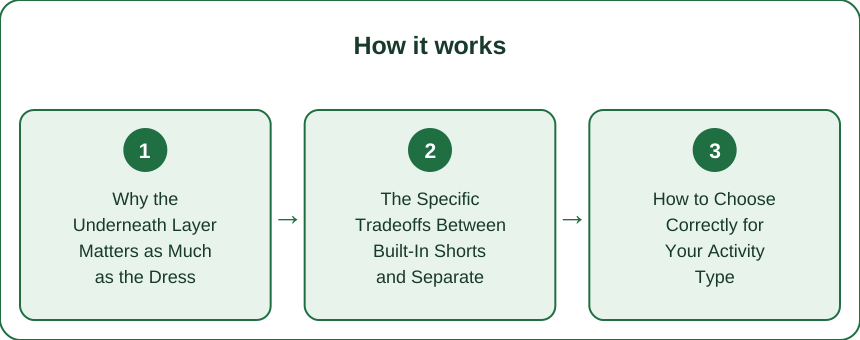
How to Choose Correctly for Your Activity Type
The practical decision process: the for-low-intensity-activities-built-in-shorts-are-usually-genuinely-adequate (the walking, light yoga, or casual wear generally not stressing the built-in liner enough to expose its typical limitations, making the convenience option genuinely sufficient for these lower-intensity contexts — the built-in-shorts-are-usually-genuinely-sufficient-for-lower-intensity-activities-where-theyre-not-stressed-much), the the-for-running-or-high-intensity-intervals-separate-compression-shorts-underneath-are-usually-worth-the-extra-step (the higher-impact, higher-intensity activities generally warranting the more structured support of genuine separate compression shorts, since this is exactly where built-in liner limitations tend to actually show up — the higher-intensity-activities-are-exactly-where-built-in-liner-limitations-tend-to-become-apparent), the the-check-reviews-specifically-for-mentions-of-the-built-in-liner-quality-not-just-the-dress-overall (the searching reviews specifically for comments about the liner’s actual support and coverage performance, since general dress reviews often focus on look and fabric feel rather than this specific functional component — the liner-specific-review-language-is-worth-specifically-searching-for-rather-than-trusting-general-dress-reviews-alone), the the-test-the-built-in-liner-under-actual-movement-not-just-standing-still-in-a-fitting-room (the assessing the built-in liner specifically through jumping, running in place, or bending in a fitting room, since standing still reveals almost nothing about how it performs under real movement — the testing-under-actual-movement-not-standing-still-is-the-only-way-to-really-assess-liner-adequacy), and the frame (the decision process as trusting built-in shorts for lower-intensity activities, opting for separate compression shorts underneath for running or high-intensity work, specifically searching reviews for liner-quality mentions rather than general dress reviews, and testing any built-in liner under actual movement rather than standing still — matching the underneath layer choice to actual activity demands rather than treating it as an afterthought to the dress itself).
The underneath layer of an exercise dress matters as much as the dress itself because built-in shorts liner quality varies enormously between different dresses, the same dress and liner combination performs very differently depending on activity intensity, and coverage or riding-up concerns during movement are determined almost entirely by whatever’s underneath rather than by the outer dress fabric. Built-in shorts offer convenience and a cleaner outer silhouette but generally less structured support than a genuine separate compression short, while separate shorts worn underneath provide more secure, activity-appropriate coverage at the cost of slightly more bulk and a different silhouette, and mixing brands for the dress and underneath layer offers real customization at the cost of more coordination effort. The practical approach is trusting built-in shorts for lower-intensity activities like walking or light yoga where the liner rarely gets stressed, opting for separate compression shorts underneath for running or high-intensity interval work where liner limitations tend to actually show up, searching reviews specifically for mentions of built-in liner quality rather than general dress impressions, and testing any built-in liner under actual movement like jumping or bending rather than just standing still in a fitting room.
Keep Reading
This article is for general informational and styling purposes only. Fit, sizing, and product availability may vary.