The Complete Guide to Packing an Exercise Dress for Travel
Quick Answer: The best travel exercise dress is a mid-weight knit in a recycled poly or nylon blend with 12 to 20 percent spandex, a built-in short of at least 4 inches, a supportive but not built-in-bra construction, and a color that hides both sweat and dinner. It should pack to roughly the volume of a rolled t-shirt, dry overnight on a hanger, and survive four wears before it needs washing. That combination lets one garment cover a flight day, a hotel gym session, a full walking day and a casual dinner.
Most travel exercise dress disappointment comes from choosing on looks and discovering on day two that it does not dry, does not layer, or shows everything.
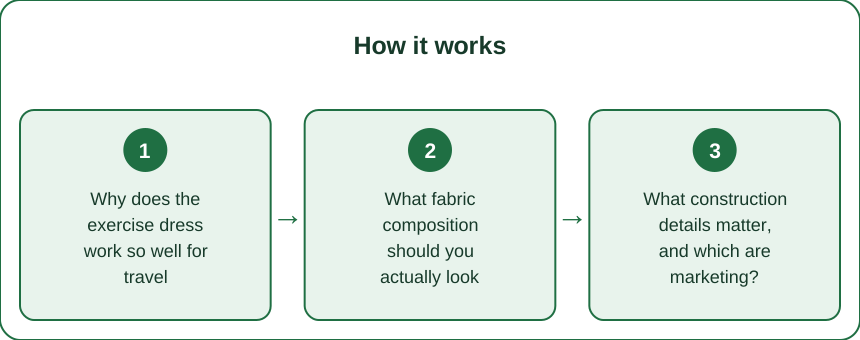
Why does the exercise dress work so well for travel specifically?
Because travel punishes decisions and rewards versatility, and a single garment that covers four use cases removes three decisions per day.
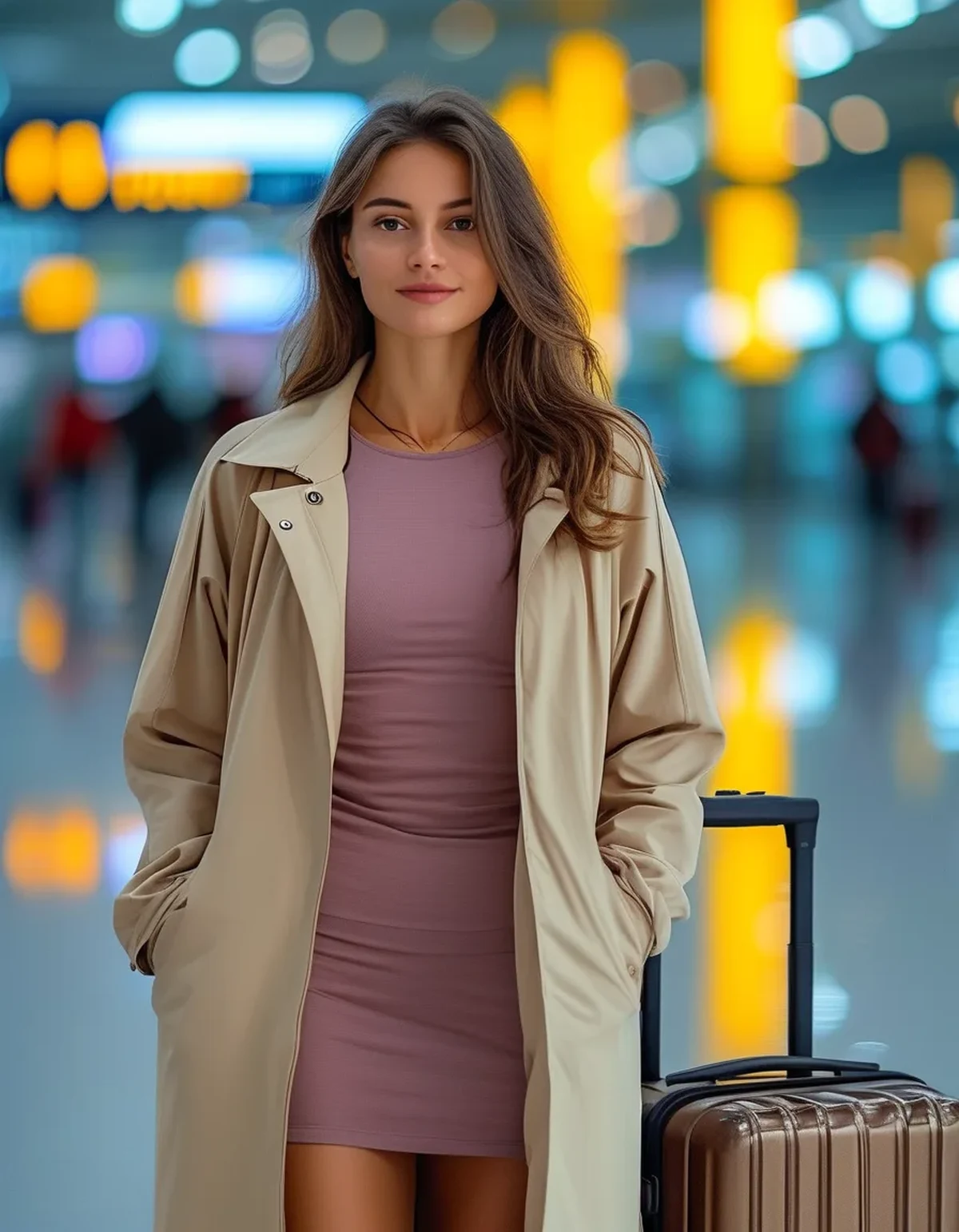
Volume efficiency is the obvious argument. One dress replaces a top plus a bottom plus a second top for evening. In a carry-on, that is real space - typically the equivalent of two to three additional packed items.
The less obvious argument is the transition. The failure mode of travel packing is not running out of clothes, it is having the wrong thing on when the day changes. You planned a museum morning and ended up walking eleven miles. An exercise dress handles that pivot without a return trip to the hotel, which is worth more than the space it saves.
Wash-and-dry cycles are the third factor. A synthetic knit dress rinsed in a hotel sink at 9pm is dry by morning. Cotton is not. On any trip past four days, this is the difference between packing for the trip length and packing for four days regardless of trip length.
And there is the flight itself. A knit dress with a built-in short is genuinely comfortable for a long seated stretch, with no waistband pressure across a bloated midsection - a very real phenomenon at altitude that structured waistbands make considerably worse.
What fabric composition should you actually look for?
This is where most of the decision lives, and the tag tells you more than the marketing does.
Recycled polyester or nylon with 12 to 20 percent elastane is the target range. Below about 10 percent, the dress will not recover its shape after a full day seated and walking. Above roughly 25 percent, it holds moisture longer and pills faster.
Nylon-dominant blends feel softer and drape better; polyester-dominant blends dry faster and resist odor slightly better when treated. For travel, marginally favor polyester for the drying speed, unless the trip is short.
Mid-weight is the answer, not lightweight. Very light fabrics are appealing until you discover they are semi-transparent when stretched over a seat or in strong sun, and they wrinkle in a suitcase in ways mid-weight knits do not. Look for something around 200 to 250 gsm if the brand publishes it.
Avoid anything with a cotton blend for travel. It feels lovely and it will not be dry in the morning. Cotton holds many times its weight in water compared with synthetics.
Check for an odor treatment, but hold expectations moderate. Treatments help across a day; they do not extend a garment indefinitely, and many of them lose effectiveness with washing.
Texture hides more than color does. A subtle ribbed or crepe surface disguises both sweat and creasing better than a smooth flat knit in the same color.
What construction details matter, and which are marketing?
Built-in shorts: essential, and length is the variable. Four inches is the practical minimum for a travel dress, because you will sit on airport floors, climb stairs behind people, and get on and off transit. Under three inches limits the dress to contexts where you control your posture.
Pockets: genuinely useful here, unlike on many garments. A thigh pocket that holds a phone is the difference between carrying a bag on a walking day and not. Test that the pocket is on the built-in short, not the outer layer - outer-layer pockets swing.
Built-in bra: usually skip it for travel. It sounds like a simplification and it is the opposite. A built-in bra dictates the support level for every use of the dress and makes the garment much slower to dry. A dress without one lets you pair a supportive bra for the gym and a comfortable one for the flight.
Seams: flat or bonded, always. Any raised interior seam becomes a problem across a nine-hour seated day.
Length: just above or at the knee travels best. Shorter limits where the dress reads appropriately, longer catches on seats and escalators and takes longer to dry.
Skip anything with a mesh panel across a high-friction zone. Mesh under a backpack strap or across a seat contact area is where travel dresses fail first.
How do you layer one dress across four completely different situations?
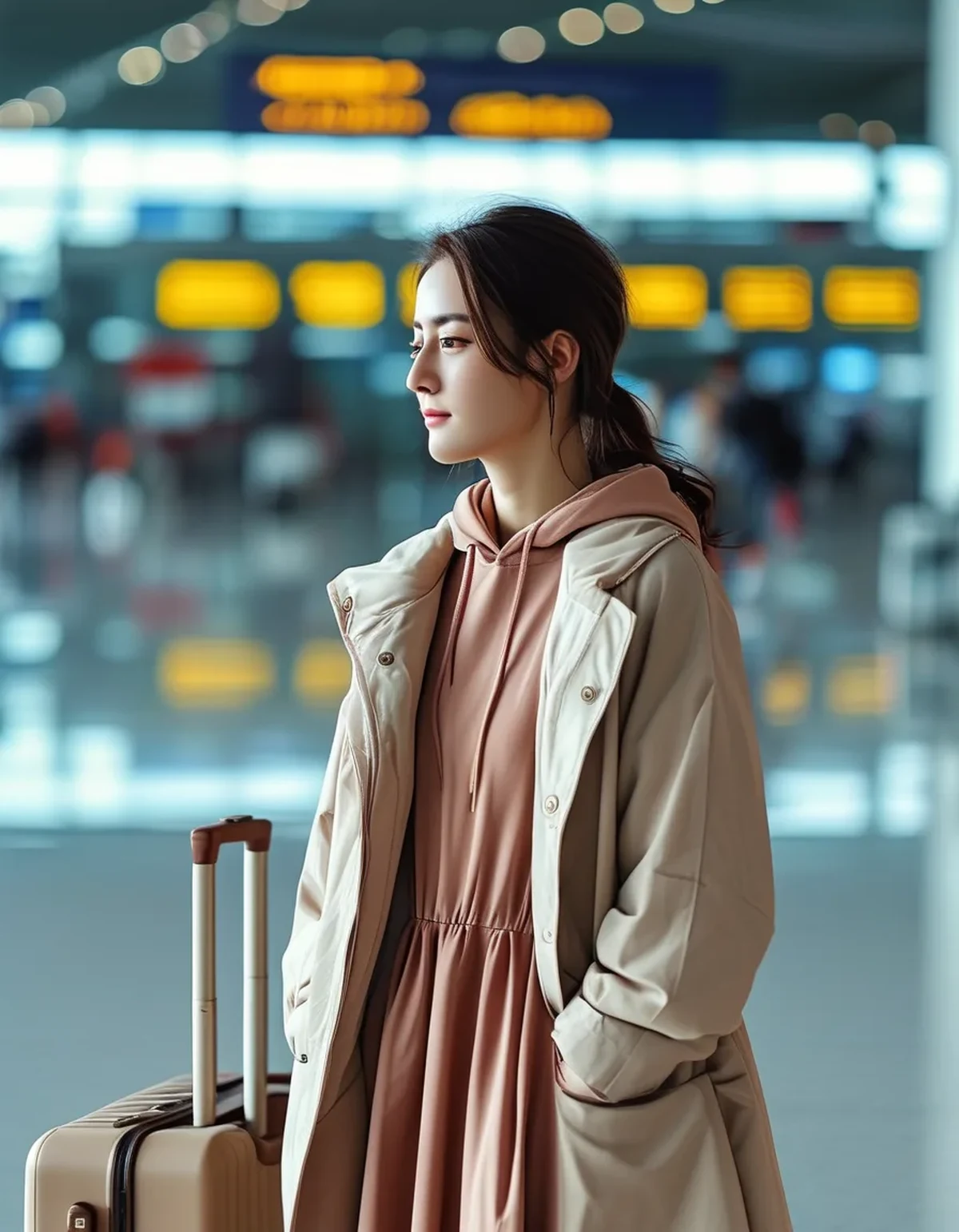
The dress is the constant. Three light pieces make it cover everything.
A cropped or standard-length long-sleeve layer. Handles the plane, the over-cooled museum and a cool morning. In a merino or a fine knit, this is the single most useful travel layer that exists.
A packable overshirt or light jacket. Adds structure and makes the dress read as an outfit rather than as gym clothing. This is what converts the day look into a dinner look.
One pair of leggings or bike shorts. Underneath, the dress becomes cool-weather appropriate and covers religious sites, cold mountain mornings and any context where a shorter hem is a problem.
Two pairs of shoes maximum. A walkable sneaker and one flat sandal or loafer. The dress works with both, which is the entire point.
One accessory that changes register. A scarf, a belt or a piece of jewelry. Small, weightless, and the difference between wearing the same dress twice and being seen wearing the same dress twice.
Practical sequencing: dress plus sneaker for the flight, dress plus sports bra for the gym, dress plus overshirt plus flat for dinner, dress plus leggings plus jacket for a cold day. Four looks, six items.
Which trips is an exercise dress genuinely wrong for?
Honesty here saves you from a packing decision you cannot undo mid-trip.
Cold-weather trips below roughly 50F. Layering under a dress works to a point, and past that point you are wearing an awkward amount of stuff under a garment designed to be worn alone. Pack pants.
Trips with a formal component. An exercise dress with an overshirt reads as smart-casual at best. It will not carry a wedding, a formal dinner or a business meeting, and attempting it produces a version of yourself you will see in photos later.
Heavy rain destinations. Knit fabric plus rain equals a garment that clings and takes hours to dry, and a rain layer over a dress leaves your legs fully exposed.
Trips involving significant hiking or bug exposure. Bare legs and dense brush is a poor combination, and this is one context where the built-in short works against you.
Very conservative dress-code destinations, unless you commit to leggings underneath every day, which changes the calculation on comfort and heat.
Where it is unambiguously right: city trips, warm-weather trips, any trip with a mix of activity and sightseeing, conference travel with a hotel gym, and any trip where carry-on only is the constraint. That is a large share of travel, which is why the category exists.
The shoulder-season case is the interesting one. Late September in a European city, or a spring trip with 55F mornings and 75F afternoons, is exactly where the dress-plus-leggings-plus-overshirt stack outperforms packing separates - because you are changing the layers rather than changing the outfit, and you can do it on a street corner rather than back at the hotel. If you travel mostly in shoulder season, this is the strongest argument for the category.
One planning rule that resolves most cases: count the hours you will spend in situations where the dress is the wrong register. If it is more than about four across the whole trip, pack the alternative garment for those hours and keep the dress for everything else. If it is fewer, the dress covers the trip and the alternative stays home.
5 Mistakes Everyone Makes Packing an Exercise Dress
1. Packing a brand-new one. The trip is not the time to discover that it rides up when you walk, or that the built-in short chafes at mile six. Wear it for one full active day at home first. Every experienced traveler learns this once.
2. Choosing a light or bright color. It will show sweat at the back and under the bust, and one dinner will end its run. Mid-tone, muted or textured colors hide both. Navy, olive, charcoal and clay are the workhorses.
3. Bringing two dresses instead of one dress and three layers. Two dresses give you two looks. One dress and three light layers give you six, in less space.
4. Ignoring the drying test before you leave. Rinse it in the sink at home and see how long it actually takes on a hanger. If it is not dry in eight hours in your bathroom, it will not be dry in a humid hotel room either.
5. Assuming the built-in bra is enough for the workout you plan to do. Most built-in shelf bras provide light support. If the trip includes running, pack a proper sports bra and treat the shelf as a liner - the third mistake on this list costs space, this one costs your run.
FAQ: Travel Exercise Dress Questions, Answered
How many days can you realistically wear one before washing?
With a synthetic blend and no intense workouts, three to four days of normal wear is typical. With a gym session, rinse it that night - it will be dry by morning. If you plan to work out daily, two dresses on a week-long trip is reasonable.
Can it work as an actual workout garment or is it just for travel?
It works well for gym cardio, strength, walking and hiking on trails. It works less well for anything with a lot of inversion or floor work, where the outer layer moves and the built-in short becomes the only thing keeping the arrangement together.
What length built-in short should I look for?
Four inches minimum for travel, five if you tend to feel exposed. Shorter is fine for a garment you wear only at a gym, but travel involves far more sitting on unfamiliar surfaces and climbing stairs behind strangers.
Does the exercise dress actually save meaningful suitcase space?
Yes, for carry-on travel specifically. One dress packs to roughly the volume of a rolled t-shirt and replaces two to three items. On a checked-bag trip the space savings matter less, but the reduced decision-making still applies.
What if I get cold on the plane?
Wear the leggings underneath for the flight and take them off on arrival. Combined with a long-sleeve layer this handles almost every cabin temperature, and it means you arrive with the dress uncreased under a layer rather than crushed in a bag.
TL;DR:
- Look for a mid-weight recycled poly or nylon knit with 12 to 20 percent spandex, a 4-inch built-in short, no built-in bra, and a mid-tone or textured color.
- One dress plus a long-sleeve layer, an overshirt and leggings produces at least six distinct looks from six items.
- Synthetic knits rinse at night and dry by morning, which changes packing from trip-length to four-days-regardless.
- Skip it for cold trips, formal components, heavy rain and brushy hiking - it is built for city, warm and mixed-activity travel.
- Wear it for one full active day at home before the trip, and test how long it takes to dry.
The exercise dress earns its place in a carry-on by removing decisions, not just by saving space. Choose it on fabric and construction rather than on the photo, layer it deliberately, and one garment quietly handles four very different days.
See It in Motion
Seen here: Round Neck Long Sleeve Athletic T-Shirt — shop it on bubblelime.com
Keep Reading
This article is for general informational and styling purposes only. Fit, sizing, and product availability may vary.