The Actual Coverage Math Behind Exercise Dresses (Why Some Move and Some Don't)
An exercise dress that looks perfectly modest standing still in a mirror can behave completely differently the moment a lunge, a sprint or a deep squat enters the picture, and whether that happens comes down to specific, checkable measurements rather than luck or brand reputation alone. Here is why built-in shorts length and dress hem length interact in ways that determine real functional coverage, the specific measurements that actually predict whether a dress will stay put, and how to check before committing to an activity involving a lot of movement.
Why Built-In Shorts Length and Dress Hem Length Interact
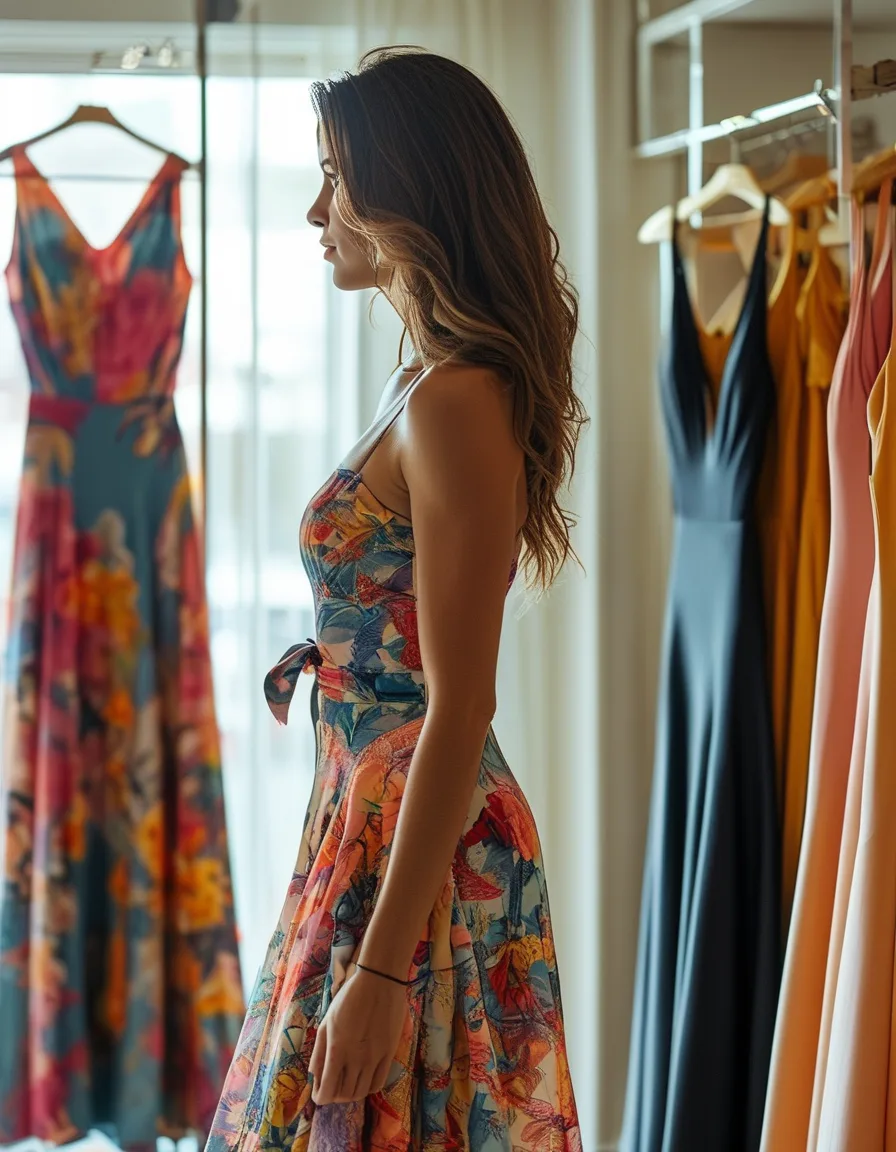
The mechanics of the problem: the the-dress-hem-and-shorts-length-move-independently-during-dynamic-movement (the outer dress fabric and the built-in shorts underneath responding differently to movement, flaring, riding up or shifting at different rates depending on fabric weight and cut — the the-two-layers-dont-necessarily-move-together-which-is-the-actual-root-of-the-coverage-question), the the-a-longer-dress-hem-with-very-short-built-in-shorts-can-actually-provide-less-real-coverage-during-movement-than-it-appears-standing-still (the a longer outer hem creating a false impression of more coverage while the shorter shorts underneath do the actual coverage work during any real movement, from the exercise-dress-shorts-and-coverage-guide logic — the the-outer-hem-length-can-be-visually-misleading-about-actual-functional-coverage-during-motion), the the-fabric-weight-and-stretch-recovery-affect-how-much-a-dress-flares-or-rides-up-during-specific-movements (the lighter, more flowy fabrics flaring more dramatically during rotational or high-kick movements than heavier, more structured fabrics — the fabric-weight-specifically-predicts-how-much-flare-happens-during-dynamic-movement), the the-activity-type-determines-which-specific-movements-actually-stress-test-the-coverage (the running, tennis and dance-style movements each stress-testing coverage differently, meaning the same dress can perform very differently across different activities — the different-activities-stress-test-different-specific-movement-patterns-that-can-expose-different-coverage-gaps), the the-brand-and-price-point-don’t-reliably-predict-coverage-performance-independent-of-the-actual-specific-measurements (the coverage performance depending on the specific construction details rather than being reliably predicted by brand reputation or price point alone — the the-specific-construction-details-matter-more-than-brand-reputation-for-predicting-actual-coverage-performance), and the reframe (the coverage question as a specific, checkable interaction between two independently moving layers and the activity’s actual movement demands — not a vague brand-dependent guess)).
The Specific Measurements That Actually Predict Real Coverage
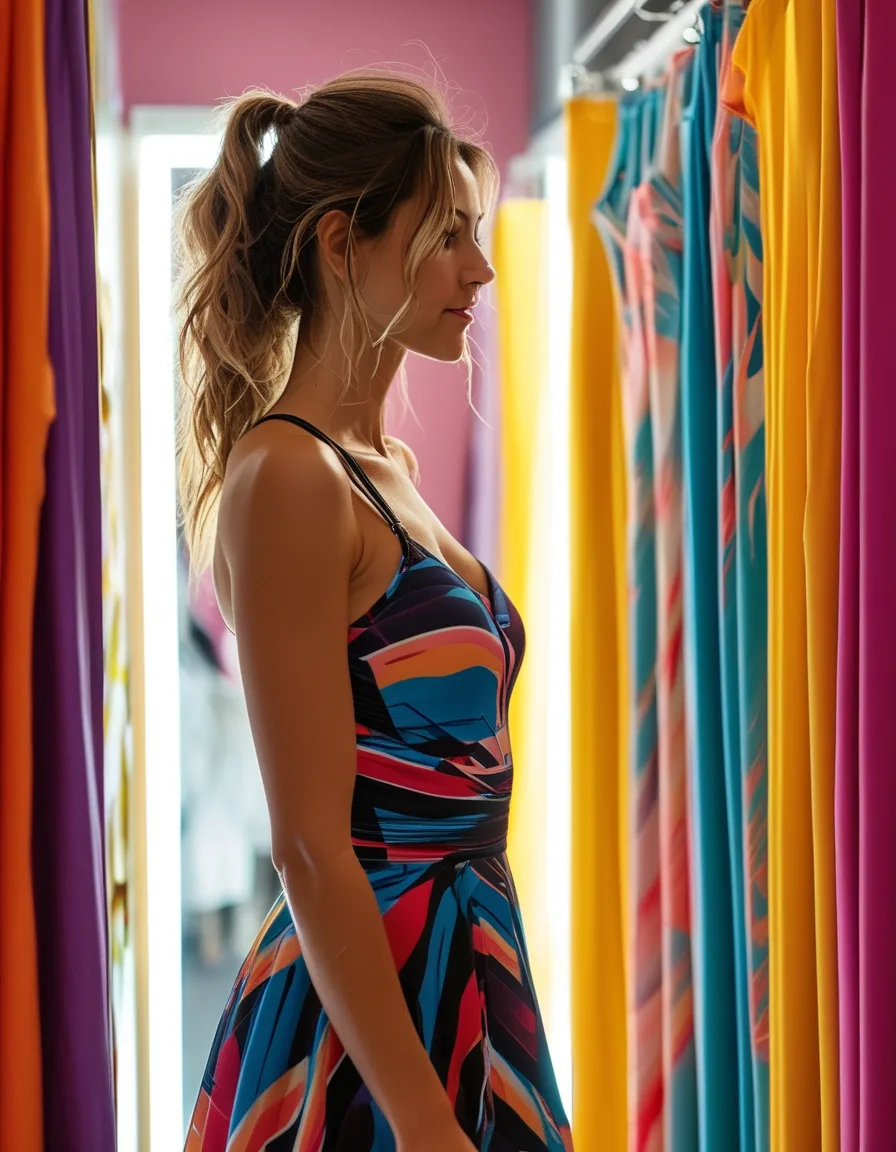
What to actually check: the the-built-in-shorts-inseam-length-relative-to-the-activitys-movement-range (the checking the actual inseam length of the built-in shorts specifically, since this is what provides real coverage once the outer dress fabric moves during activity — the the-shorts-inseam-is-the-actual-relevant-coverage-measurement-not-the-dress-hem), the the-dress-hem-length-relative-to-inseam-length-as-a-ratio-rather-than-either-number-alone (the comparing how much longer the outer hem is than the shorts inseam, since a large gap between the two numbers predicts more visible movement of the outer layer relative to the coverage layer underneath — the the-gap-between-hem-length-and-shorts-length-is-more-predictive-than-either-single-measurement), the the-fabric-weight-in-grams-per-square-meter-if-available-as-a-proxy-for-flare-behavior (the checking any available fabric weight specification as a rough proxy for how much a dress is likely to flare or move during dynamic activity, heavier generally flaring less — the fabric-weight-specification-when-available-is-a-useful-proxy-for-predicting-flare-behavior), the the-waistband-and-shorts-attachment-method-affecting-whether-the-under-layer-stays-in-place-independent-of-the-outer-dress (the checking whether built-in shorts are securely attached at the waist independent of the outer dress movement, which affects whether they stay properly positioned during activity — the the-attachment-method-affects-whether-the-coverage-layer-stays-put-regardless-of-what-the-outer-dress-does), the the-existing-customer-reviews-that-specifically-mention-movement-or-activity-performance-rather-than-just-appearance (the seeking reviews that specifically describe performance during actual activity, which is more predictive than reviews focused only on how the dress looks standing still — the movement-specific-reviews-are-far-more-predictive-than-appearance-focused-reviews-for-this-particular-question), and the frame (the specific predictive measurements as built-in shorts inseam length, the hem-to-inseam length ratio, fabric weight as a flare proxy, waistband and shorts attachment method, and movement-specific customer reviews — concrete, checkable information rather than a guess based on how a dress looks while standing still).
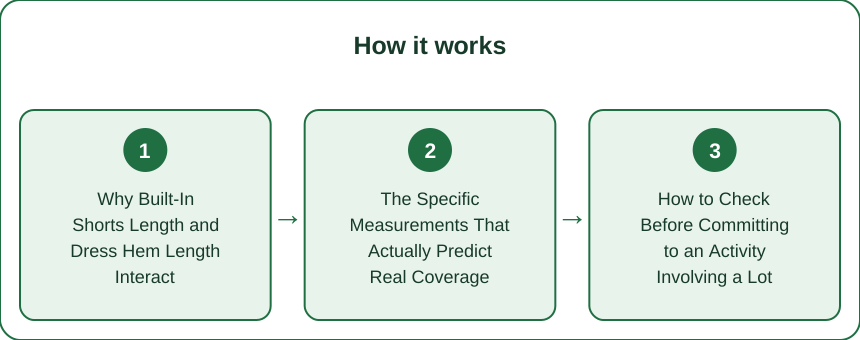
How to Check Before Committing to an Activity Involving a Lot of Movement
The practical pre-activity test: the do-a-full-range-of-motion-test-in-a-fitting-room-or-at-home-before-relying-on-it-for-a-specific-activity (the actually performing lunges, a deep squat, a high kick or a sprint motion while wearing the dress before trusting it for the actual planned activity, rather than judging from a standing mirror check alone — the an-actual-movement-test-before-relying-on-it-catches-what-a-standing-mirror-check-cannot), the the-test-with-the-specific-movements-most-relevant-to-the-planned-activity-rather-than-generic-movement (the matching the test movements to what the specific planned activity actually demands — tennis-specific lunges for tennis, running strides for running — rather than a generic movement check from the exercise-dress-activities-test-blog logic — the matching-the-test-to-the-actual-planned-activitys-specific-movement-demands-is-more-predictive-than-a-generic-check), the the-check-coverage-from-multiple-angles-including-from-behind-and-during-a-forward-bend-specifically (the assessing coverage from behind and during a forward-leaning position specifically, since these are common gaps that a front-facing standing check misses entirely — the checking-from-behind-and-during-forward-bending-catches-common-gaps-a-front-facing-check-alone-misses), the the-for-a-new-or-unfamiliar-brand-order-with-a-generous-return-policy-specifically-because-of-this-uncertainty (the prioritizing a strong return policy specifically for an unfamiliar exercise dress brand, given the real uncertainty around coverage performance until actually tested from the activewear-warranty-and-return-policy-guide logic — the a-generous-return-policy-matters-specifically-because-of-the-real-uncertainty-around-untested-coverage-performance), the the-once-a-specific-brand-and-style-is-confirmed-to-work-well-for-a-given-activity-it-becomes-a-reliable-repeat-choice (the treating a confirmed well-performing dress and activity combination as a reliable go-to, removing the need to re-test every single time — the a-confirmed-combination-becomes-a-reliable-repeat-choice-that-doesnt-need-re-testing-each-time), and the frame (the practical pre-activity check as a real full-range-of-motion test matched to the specific planned activity, checking from behind and during a forward bend specifically, prioritizing a generous return policy for unfamiliar brands, and treating a confirmed good combination as a reliable future default — a genuinely testable process rather than hoping for the best).
Whether an exercise dress actually stays coverage-appropriate during real movement comes down to a specific, checkable interaction between the built-in shorts’ inseam length and the outer dress hem length, since the two layers move independently during activity — a longer outer hem can create a misleading impression of coverage while the actual functional coverage depends on the shorts underneath. Check the shorts inseam length specifically rather than just the dress hem, look at the ratio or gap between hem length and shorts length as more predictive than either number alone, consider fabric weight as a proxy for how much a dress will flare during dynamic movement, verify the waistband attachment keeps the shorts properly positioned independent of the outer dress, and seek out reviews that specifically describe performance during actual activity rather than just appearance. Before trusting a new dress for a specific activity, actually test it through the real movements that activity demands — lunges, a deep squat, a forward bend, checked from behind too — rather than relying on a standing front-facing mirror check, and prioritize a generous return policy for any unfamiliar brand given the real uncertainty until it’s actually been tested.
Keep Reading
This article is for general informational and styling purposes only. Fit, sizing, and product availability may vary.